Family & Other Stories
The Battle of Flers - Andrew Ferry
2/Lt Geoffrey Ferry, RFA (OT): The Battle of Flers, 15th September 1916
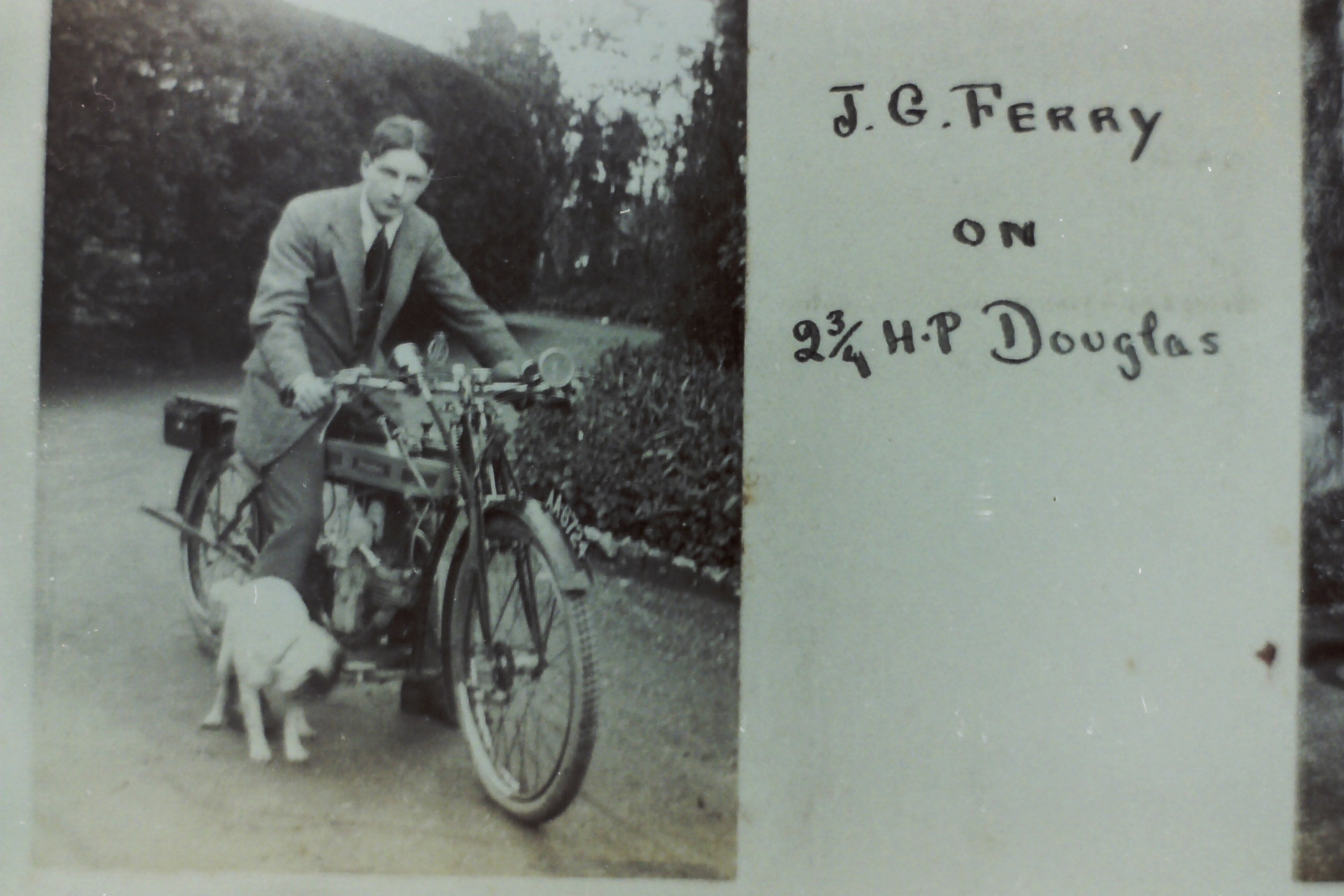
Geoffrey Ferry, my Grandfather, left Tonbridge (HS) in the Summer of 1914 and volunteered for the Royal Artillery after the outbreak of war. At Tonbridge he had been in Engineering VI, where he specialised in Mechanical and Architectural Drawing. His elder brother Leslie had left Tonbridge two years previously and become a professional infantry officer with 1st Battalion, The Cameronians (Scottish Rifles). Leslie had gone to France with the original BEF in August 1914, been through the Retreat from Mons and had been severely wounded at the Battle of the Marne.
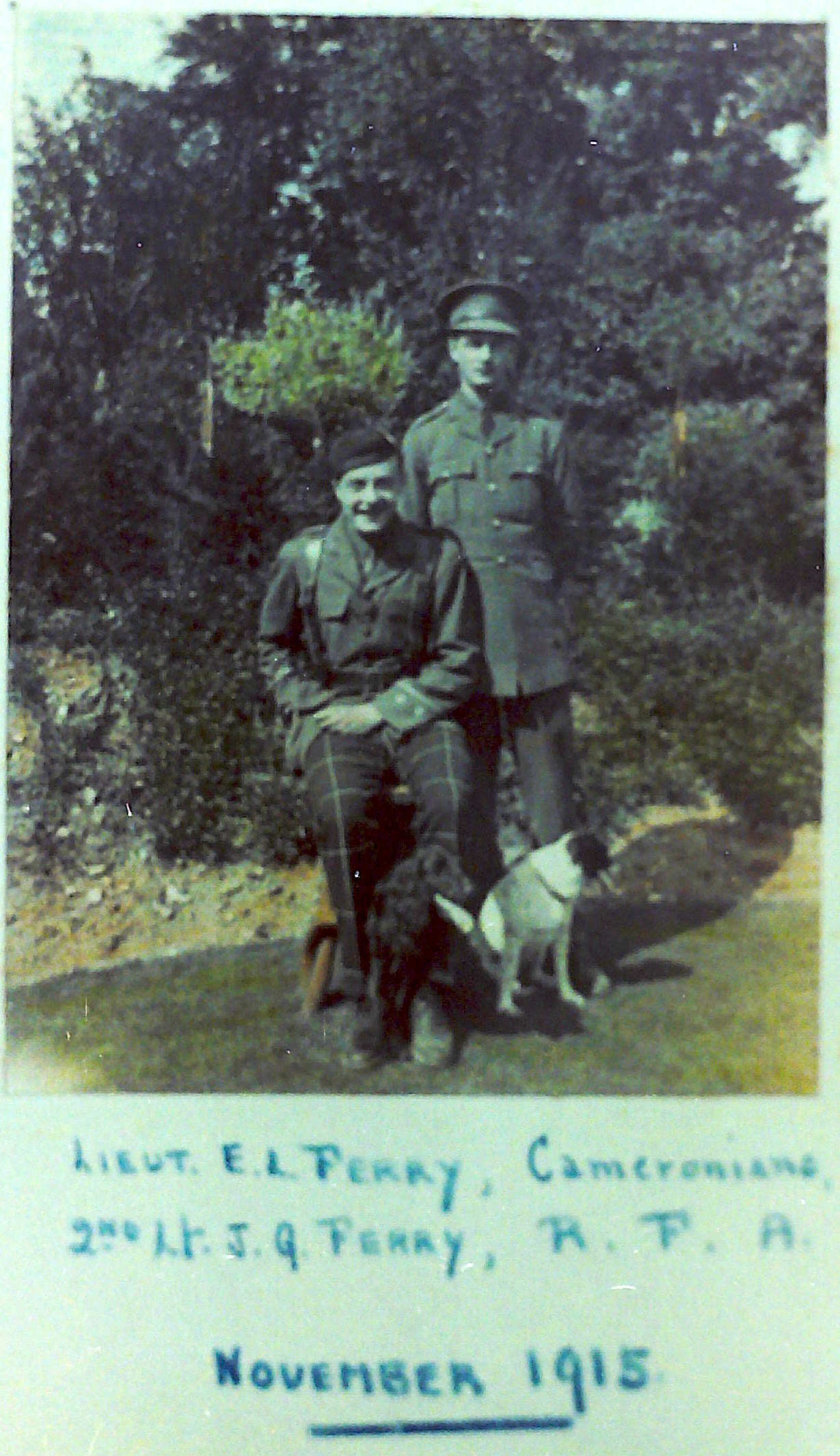
In November 1915 Geoffrey was ordered overseas to join 46 Brigade, RFA, part of the 14th (Light) Division, a New Army formation. Before his going overseas the two brothers were photographed together at the family home in Kings Worthy, near Winchester.
Geoffrey joined 'A' Battery as a 2/Lt, and served first on the Ypres sector, then in February 1916 his Division was moved to the Arras front, then in August 1916 was moved again to take part in the second phase of the Battle of the Somme.
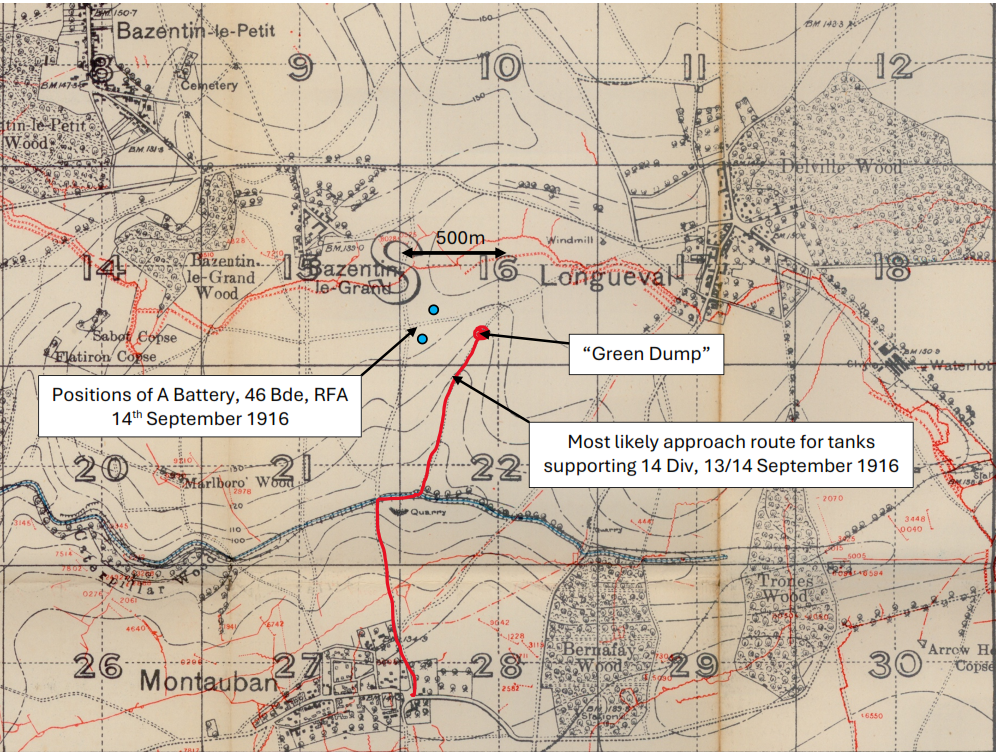
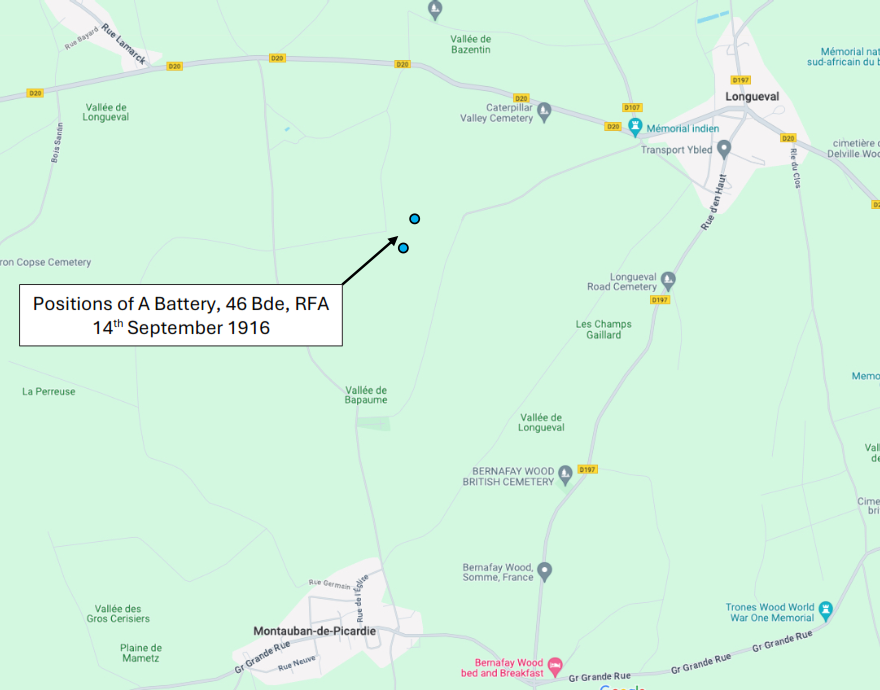
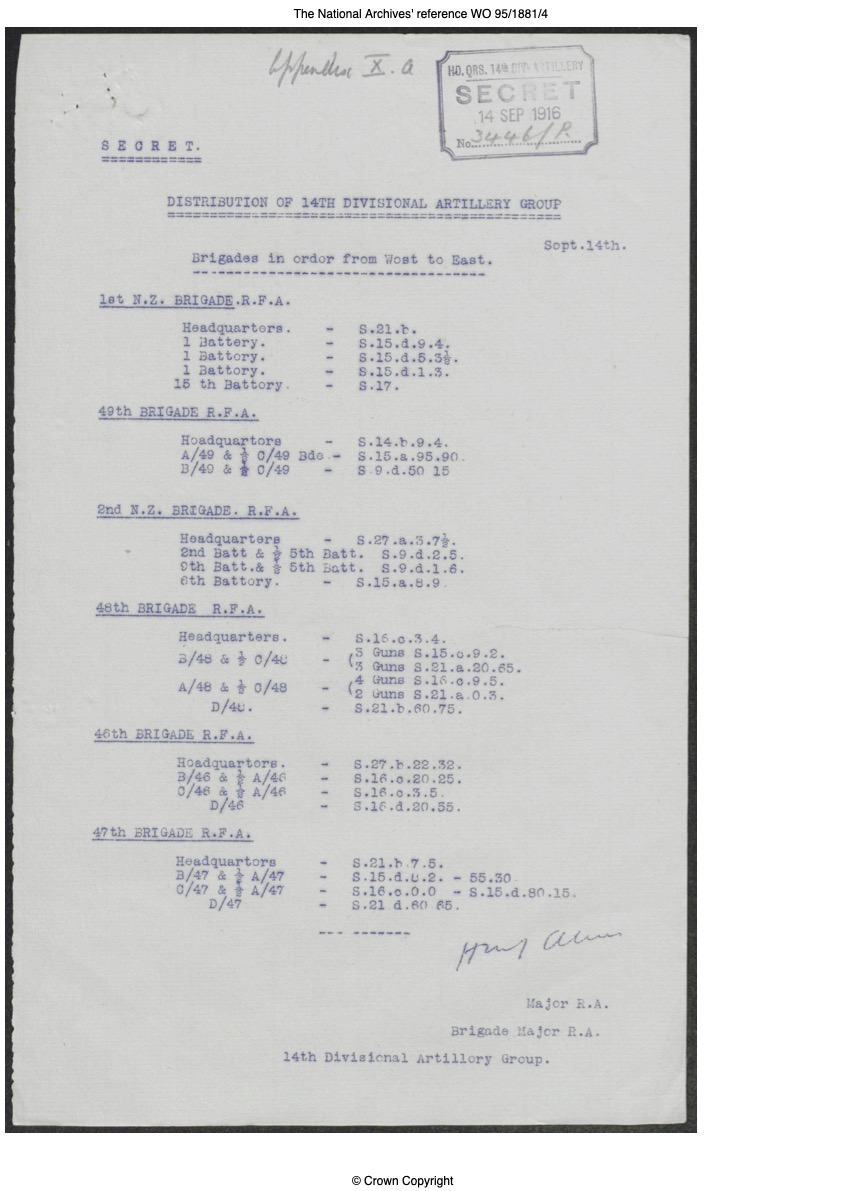
On 14th September 1916 46 Bde RFA was in position ready to support the world's first Tank attack the following day, later to be named the Battle of Flers. 'A' Battery was located on the west side of Caterpillar Valley, near what was known as Green Dump.
On the night of 13th/14th September, 18 tanks allocated to XV Corps moved up from the rear, through the village of Montauban, and assembled at Green Dump where they spent the day under camouflage before moving to their battle positions. The approach road from Montauban passed only some 300m away from 'A' Battery's gun positions: as a young man obsessed by everything mechanical, I am sure 2/Lt Ferry took the opportunity to find out what was making all the noise and watched the tanks moving up.
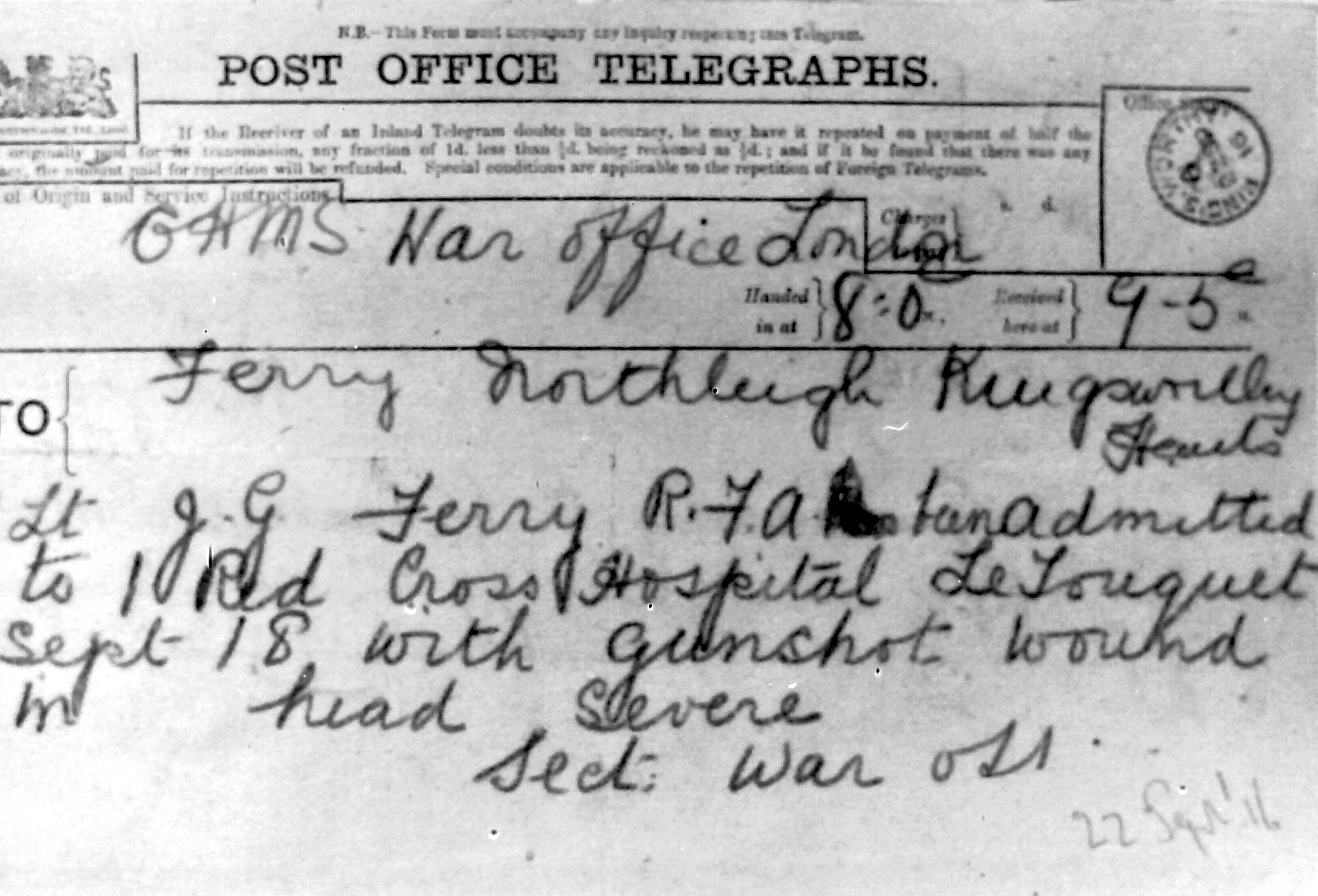
On the morning of the attack, 15th September, Geoffrey was wounded. The paperwork of the time reports 'Gunshot wound to head', but family lore is that he was buried by a shell blast and dug out. Whatever the exact cause, he was initially reported Missing, but was then recovered and passed back through the casualty clearing process.
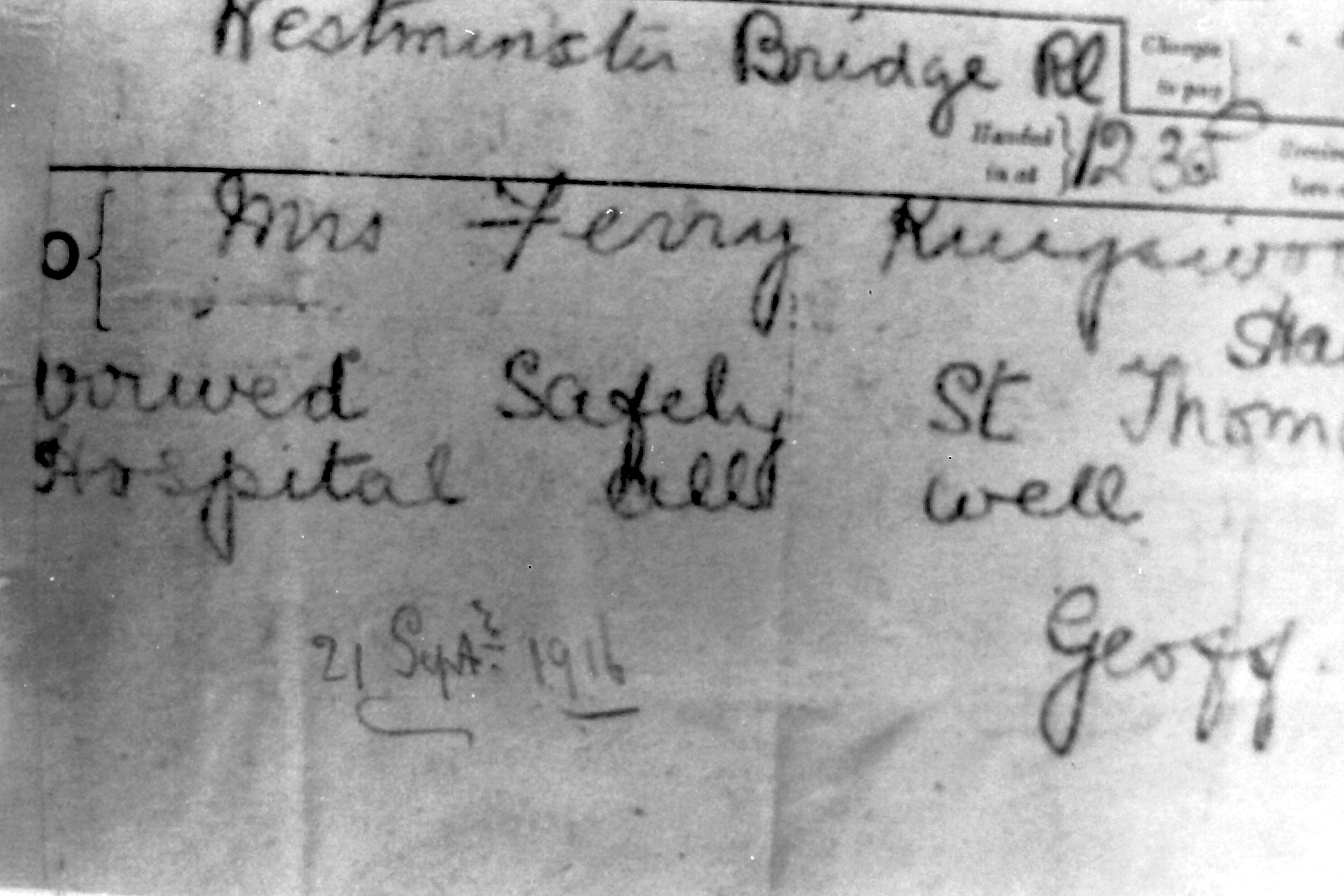
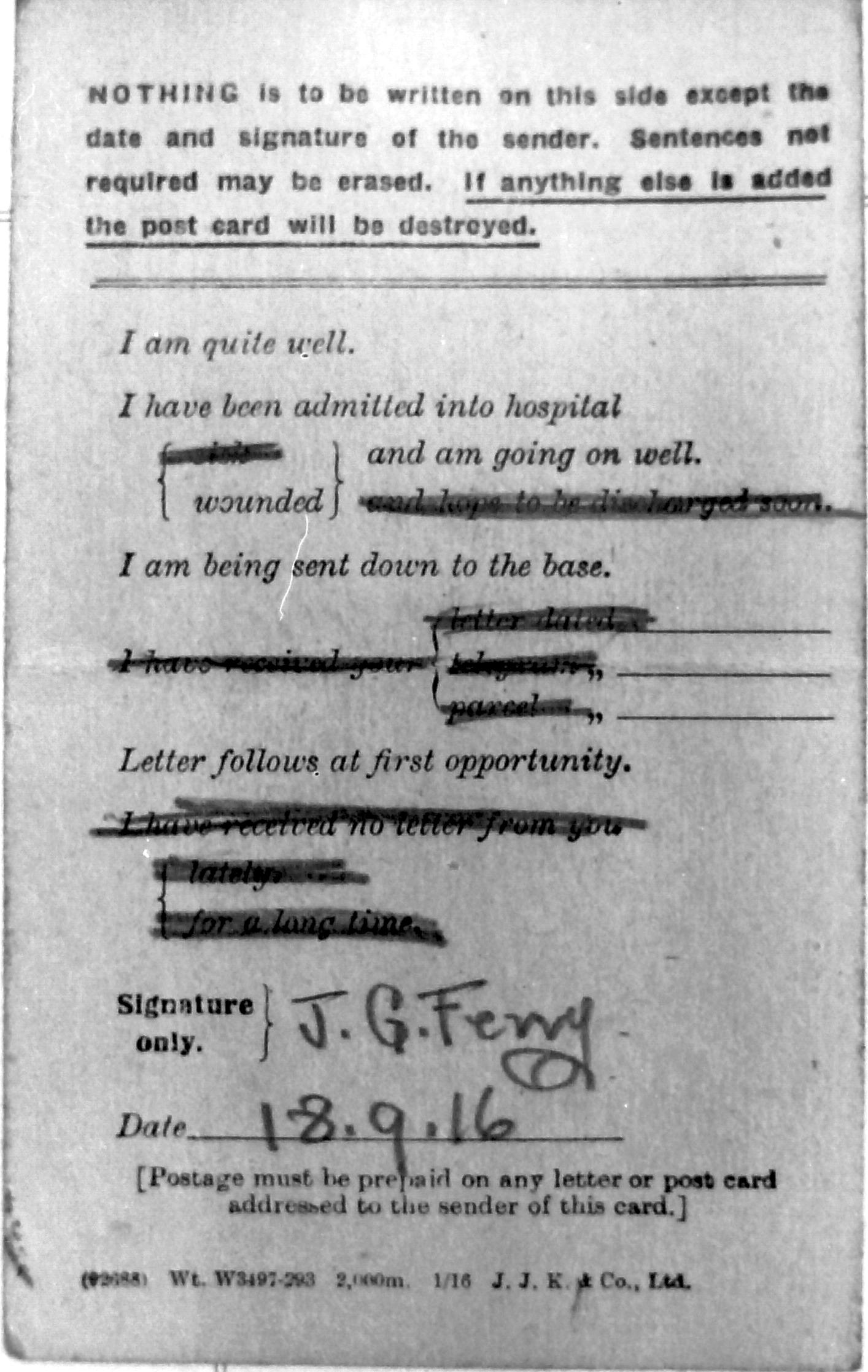
By 18th September he was well enough to write a Field Postcard home, and on the 21st he was able to send his parents a telegram reporting that he was back in England and being treated in St Thomas' Hospital in London.
While still a casualty, he was asked what a tank looked like, which up to then had been a closely-guarded secret. He was given some coloured pencils and, using his school drawing skills, did a sketch which he managed to hold on to. In the 1980's this was donated by my father to the Tank Museum in Bovingdon, being one of the very earliest representations of a tank from someone outside the professional community.
Geoffrey never returned to the Front, spending the remainder of the war training Royal Artillery officer cadets in the art of surveying. After the Great War he stayed on in the Army, finally retiring as a Colonel in 1948. He died in 1961.